
As winter sets in across South Africa, many homeowners turn to fireplaces to keep their homes warm. While these heating methods are cozy and cost-effective, they come with a hidden danger: chimney fires. Even in a country where most houses are built from brick and not wood, chimney fires remain a serious risk that can cause extensive damage and pose a threat to lives.
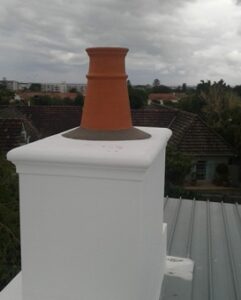 Why Chimney Fires Are Dangerous
A chimney fire occurs when creosote – a highly flammable by-product of burning wood – builds up inside the chimney and ignites. These fires can burn at temperatures exceeding 1,000°C and may not be immediately visible. Some chimney fires are dramatic, with loud cracking sounds, dense smoke, and flames shooting from the chimney top, while others smolder quietly, slowly damaging the flue and surrounding structures.
In South Africa, where homes are typically constructed from non-combustible materials like brick and concrete, the fire may not spread as rapidly as in wooden structures. However, this doesn’t mean the risk is minimal. High temperatures can cause chimney liners to crack, allow flames or heat to reach the roof structure (which often includes wooden rafters), or result in toxic smoke being forced back into the home. Additionally, chimney fires can ignite nearby thatched roofs, a common feature in rural and high-end lodge-style homes, posing an even greater risk.
Prevention Measures
Annual Chimney Inspection and Cleaning: Have your chimney professionally inspected and cleaned at least once a year, preferably before winter. This helps remove creosote buildup and identify structural issues.
Burn Only Dry, Seasoned Wood: Green or wet wood produces more smoke and creosote. Using properly dried firewood minimizes residue.
Install a Chimney Cap: This prevents debris, animals, and rain from entering the chimney, all of which can contribute to blockages or deterioration.
Use a Fireplace Grate and Screen: Containing the fire and preventing embers from escaping reduces overall fire risk.
Avoid Overloading the Fireplace: Large, intense fires can damage the chimney structure and increase creosote buildup.
Educate Your Household: Everyone in the home should know how to operate the fireplace safely and what to do in an emergency.
Final Thoughts
Chimney fires are preventable with the right precautions. In South Africa’s largely brick-built homes, the perception of low fire risk can lead to complacency. But fire doesn’t need timber to be deadly. Regular maintenance and safe fireplace practices can keep your home warm — and safe — all winter long.
Call Cape Chimneys to find out about our chimney pots and chimney sweeping services
