
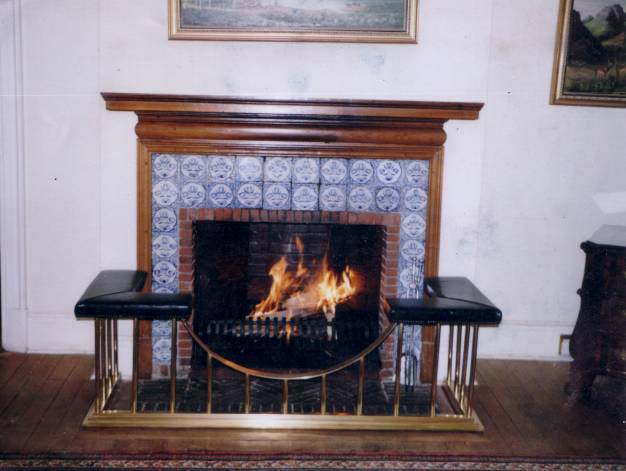
Few architectural features capture the character of a period home quite like a Victorian fireplace. With intricate cast-iron detailing, decorative tiles, elegant surrounds and beautifully crafted grates, Victorian fireplaces are more than a source of warmth — they are enduring examples of 19th-century design and craftsmanship.
Today, original and reproduction Victorian fireplaces remain highly sought after by homeowners looking to add character, heritage and timeless elegance to their interiors. But what makes these fireplaces so distinctive, and how did they become such an important feature of Victorian homes?
The Rise of the Victorian Fireplace
The Victorian era, spanning much of the 19th century, was a period of extraordinary industrial and social change. Advances in manufacturing, iron production and transportation made decorative architectural features increasingly accessible.
Fireplaces were particularly important because the open fire remained central to domestic life. Before modern central heating, fireplaces provided essential warmth, while also becoming a natural focal point within living rooms, dining rooms, bedrooms and other areas of the home.
Historic England notes that fireplaces were once used to heat almost every room in a house, and that the fireplace surround often formed an important part of a room’s architectural and visual character.
During the Victorian period, this practical necessity evolved into an opportunity for artistic expression.
Why Cast Iron Became So Important
One of the defining characteristics of a Victorian fireplace is its use of cast iron.
The Industrial Revolution transformed the production of iron, allowing manufacturers to create increasingly elaborate components on a larger scale. Instead of every decorative element needing to be individually forged by hand, designs could be produced using moulds and repeated with remarkable consistency.
Cast iron was particularly suited to ornamental work because intricate patterns could be cast into a single component. Floral motifs, scrolling foliage, geometric patterns, arches and other decorative details became hallmarks of Victorian design.
By the middle of the 19th century, cast iron had become widely used throughout architecture and urban design. Victorian foundries produced everything from architectural components to street furniture, with some companies offering extensive catalogues of designs that customers could select and customise.
This combination of industrial technology and decorative craftsmanship helped give Victorian fireplaces their distinctive appearance.
The Beauty of Victorian Ironwork
Victorian design is often associated with an appreciation for detail. A fireplace was rarely treated as merely a functional object.
The ironwork might include a decorative grate, fire basket, hood, fretwork or patterned panels. Some designs were restrained and symmetrical, while others were highly ornate.
Floral and natural motifs were especially popular, reflecting the Victorian fascination with nature and ornamentation. Geometric designs, classical influences and Gothic-inspired details also appeared throughout the period.
The result was a fireplace that could act almost like a piece of furniture or architectural artwork.
The Victoria and Albert Museum, for example, preserves Victorian metalwork featuring an extraordinary combination of decorative motifs, including Tudor roses, eagles and Japanese-inspired forms.
Tiles Added Colour and Personality
While cast iron provided structure and intricate detail, decorative fireplace tiles introduced colour and pattern.
Victorian fireplaces frequently incorporated ceramic tiles around the iron insert or within the surrounding fireplace. Designs ranged from simple geometric patterns to elaborate floral compositions.
The Victorian fascination with decorative arts helped fuel experimentation with ceramic design. Artists such as William De Morgan became renowned for richly coloured, highly decorative tiles, and some of his designs were specifically incorporated into cast-iron fireplaces.
This combination of black or dark ironwork and colourful tiles created one of the most recognisable looks associated with Victorian interiors.
The Fireplace as the Heart of the Room
A Victorian fireplace was not simply there to heat a room. It was often deliberately positioned as a visual centrepiece.
The fireplace surround, grate, tiles and mantel could establish the character of an entire interior. A grand fireplace might communicate wealth and status, while a simpler design could complement a more modest Victorian home.
Historic fireplaces can also tell us something about how a house was used. The design and scale of a fireplace can provide clues about the purpose and importance of the room in which it was installed.
In this sense, the Victorian fireplace is both a functional object and a piece of architectural history.
Victorian Fireplace Design Through the Decades
It is worth remembering that there was no single Victorian fireplace style.
The Victorian era lasted for several decades, and fashions changed considerably during that time.
Early Victorian Fireplaces
Early Victorian designs often retained influences from Georgian and Regency interiors. Symmetry, relatively restrained ornamentation and classical details were common.
Mid-Victorian Fireplaces
As industrial production expanded, fireplace designs became increasingly decorative. Cast iron allowed manufacturers to introduce more elaborate patterns, while colourful tiles added another layer of ornamentation.
Late Victorian Fireplaces
Later Victorian interiors could be considerably more eclectic. Gothic Revival, Arts and Crafts influences, Aestheticism and other design movements all contributed to changing fireplace styles.
This diversity is part of the appeal of Victorian fireplaces today. Whether your home has a simple period interior or a richly decorated heritage aesthetic, there is a Victorian-inspired design capable of complementing it.
Craftsmanship Meets Industrial Innovation
Perhaps the most fascinating thing about Victorian fireplaces is the way they combine traditional craftsmanship with industrial innovation.
The Industrial Revolution did not simply replace craftsmanship with mass production. Instead, it created new ways for designers, foundries and artisans to work together.
Manufacturers could reproduce detailed designs while craftsmen could finish, assemble and decorate individual components. This allowed decorative architectural features to be produced on a scale that would have been difficult or impossible in earlier periods.
The wider Victorian enthusiasm for cast iron can be seen throughout architecture, from railings and balconies to conservatories, shopfronts and public buildings.
Victorian fireplaces are therefore a fascinating snapshot of a period when technology and design were rapidly evolving together.
Why Victorian Fireplaces Remain Popular Today
More than a century after the Victorian era, these fireplaces continue to appeal to homeowners, designers and heritage enthusiasts.
There are several reasons for their enduring popularity:
- Timeless design: Ornamental ironwork and classical proportions remain visually appealing.
- Architectural character: A fireplace can instantly give a room a stronger sense of history and identity.
- Craftsmanship: Detailed cast-iron components showcase the skill and ingenuity of Victorian manufacturing.
- Versatility: Victorian-inspired fireplaces can work in traditional, heritage and even contemporary interiors.
- A strong focal point: A well-designed fireplace naturally draws attention and anchors a room.
- For period properties, an appropriate fireplace can also help maintain the architectural language of the building.
Victorian Fireplaces in Modern South African Homes
Victorian architectural influences have a particularly interesting place in South African history. Many older South African homes and buildings incorporate European architectural traditions adapted to the local climate, materials and way of life.
Today, homeowners can draw on this heritage while creating interiors suited to modern living.
A Victorian fireplace can work beautifully in a heritage home, but it doesn’t have to be restricted to traditional interiors. A carefully selected design can also provide contrast in a contemporary space, pairing ornate ironwork with clean walls, modern furniture and understated finishes.
The key is choosing proportions, materials and detailing that complement the surrounding architecture.
Preserving the Character of an Original Fireplace
If you are fortunate enough to own a property with an original fireplace, it is worth treating it as an important architectural feature.
Historic England advises that original fireplaces and chimney structures can contribute significantly to the character and history of historic buildings. Alterations to historic fireplaces and chimneys should therefore be approached carefully, particularly in listed or protected buildings.
Cast iron is durable, but it is not indestructible. Corrosion, damaged decorative elements, inappropriate paint layers and structural problems can all affect an older fireplace.
Where restoration is required, sympathetic repair and appropriate conservation methods can help preserve both the appearance and historic character of the piece.
The Enduring Elegance of Victorian Fireplaces
The Victorian fireplace represents much more than an old-fashioned approach to heating.
It reflects a remarkable period when industrial innovation made intricate architectural design increasingly possible. Cast iron gave manufacturers the ability to reproduce elaborate patterns, while artisans, tile makers and designers brought colour, craftsmanship and individuality to the finished fireplace.
That combination of elegance, ironwork and design explains why Victorian fireplaces continue to have such a strong presence in interiors today.
Whether you’re restoring a period property, replacing a tired fireplace or simply looking to introduce a distinctive architectural feature into your home, a Victorian fireplace offers something that few modern features can replicate: a genuine connection to the craftsmanship and design history of the past.
At Victorian Fireplaces, we celebrate that heritage by bringing the distinctive beauty of Victorian-inspired fireplace design into today’s homes.
Frequently Asked Questions
What is a Victorian fireplace?
A Victorian fireplace is a fireplace design associated with the 19th-century Victorian era. Typical features include cast-iron inserts, decorative grates, patterned tiles and ornamental surrounds.
Why were Victorian fireplaces made from cast iron?
Cast iron was well suited to producing detailed decorative components. Advances in industrial manufacturing allowed intricate designs to be reproduced efficiently and consistently.
Are Victorian fireplaces suitable for modern homes?
Yes. Victorian-style fireplaces can complement both traditional and contemporary interiors. The right design can provide a striking focal point while adding architectural character.
What makes Victorian fireplace ironwork distinctive?
Victorian ironwork is often recognised for its intricate ornamentation, including floral motifs, scrollwork, geometric patterns and other decorative details.
Can an old Victorian fireplace be restored?
Many original fireplaces can be restored, depending on their condition. Professional assessment is recommended, particularly where the fireplace, chimney or flue is being returned to use.
Why are Victorian fireplaces still popular?
Their combination of craftsmanship, history, decorative detail and timeless proportions makes them an enduring interior-design feature.
Bring Victorian Elegance Into Your Home
A fireplace can change the entire atmosphere of a room. With its distinctive ironwork, decorative detailing and rich architectural history, the Victorian fireplace remains a timeless way to introduce warmth, character and elegance into a home.
Explore the world of Victorian fireplaces and discover a design that brings the beauty of the past into your modern interior.
Call Cape Chimneys to find out about our Victorian fireplaces.
